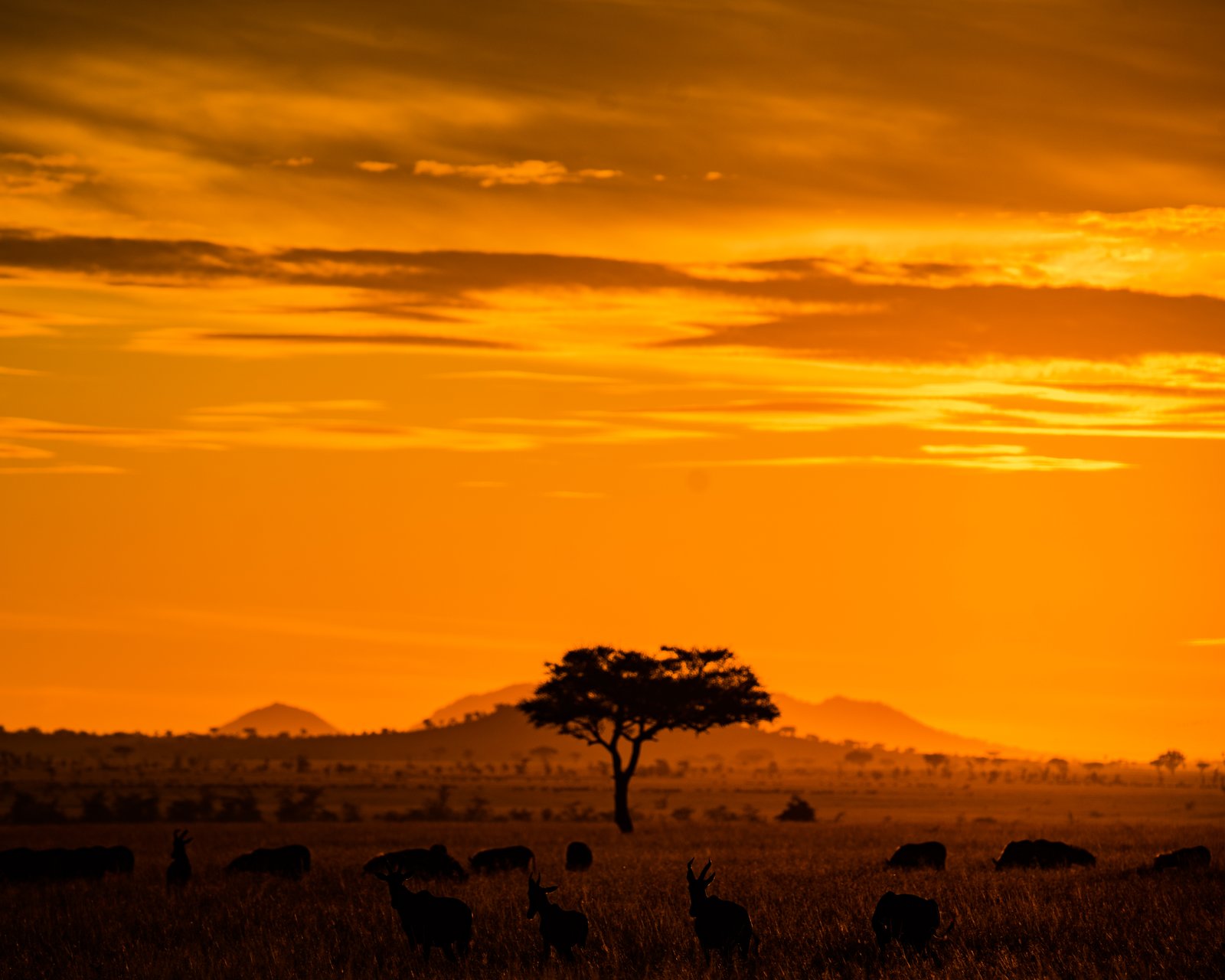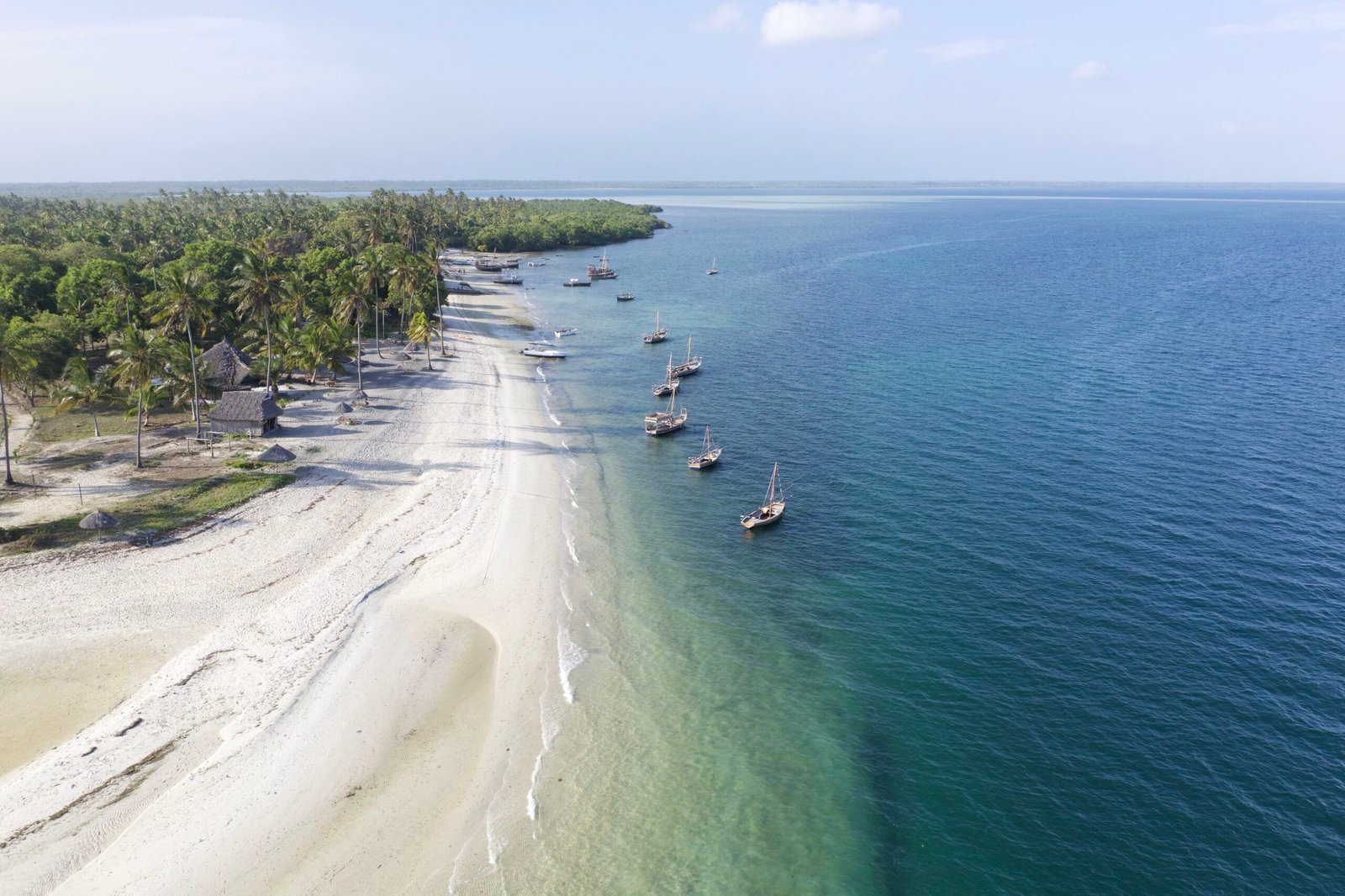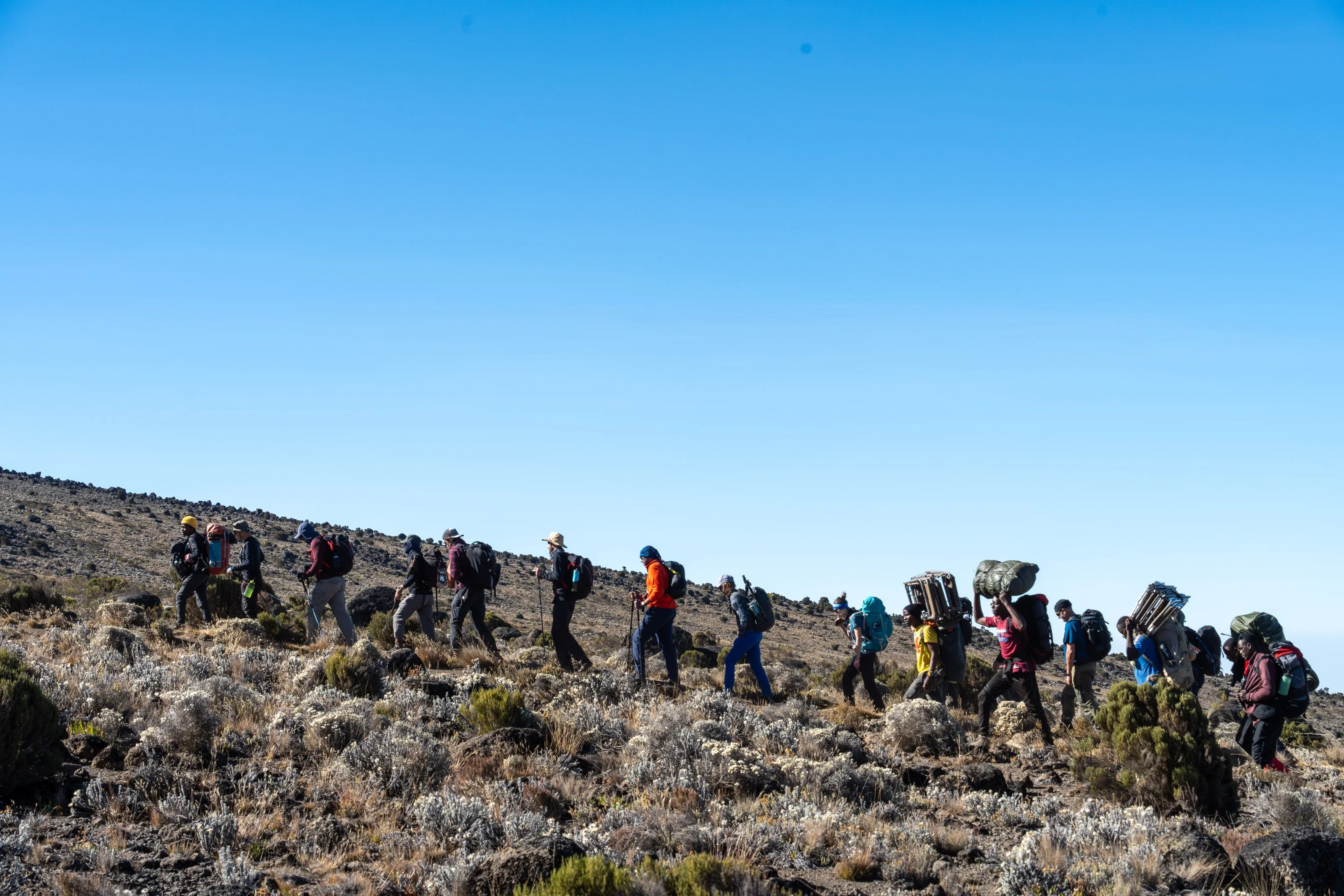
Western Serengeti. 6:14 in the morning. The light was not quite there yet, that pre-dawn grey where everything is outline and suggestion, where the land is holding its breath before the day begins.
We had left camp at 5:45, as we always do. The air was cold enough that the guests, a couple from Germany, their first safari, had borrowed the blankets I keep in the back for exactly this reason. No one was speaking. That is how dawn drives work, when they are working: the stillness invites stillness.
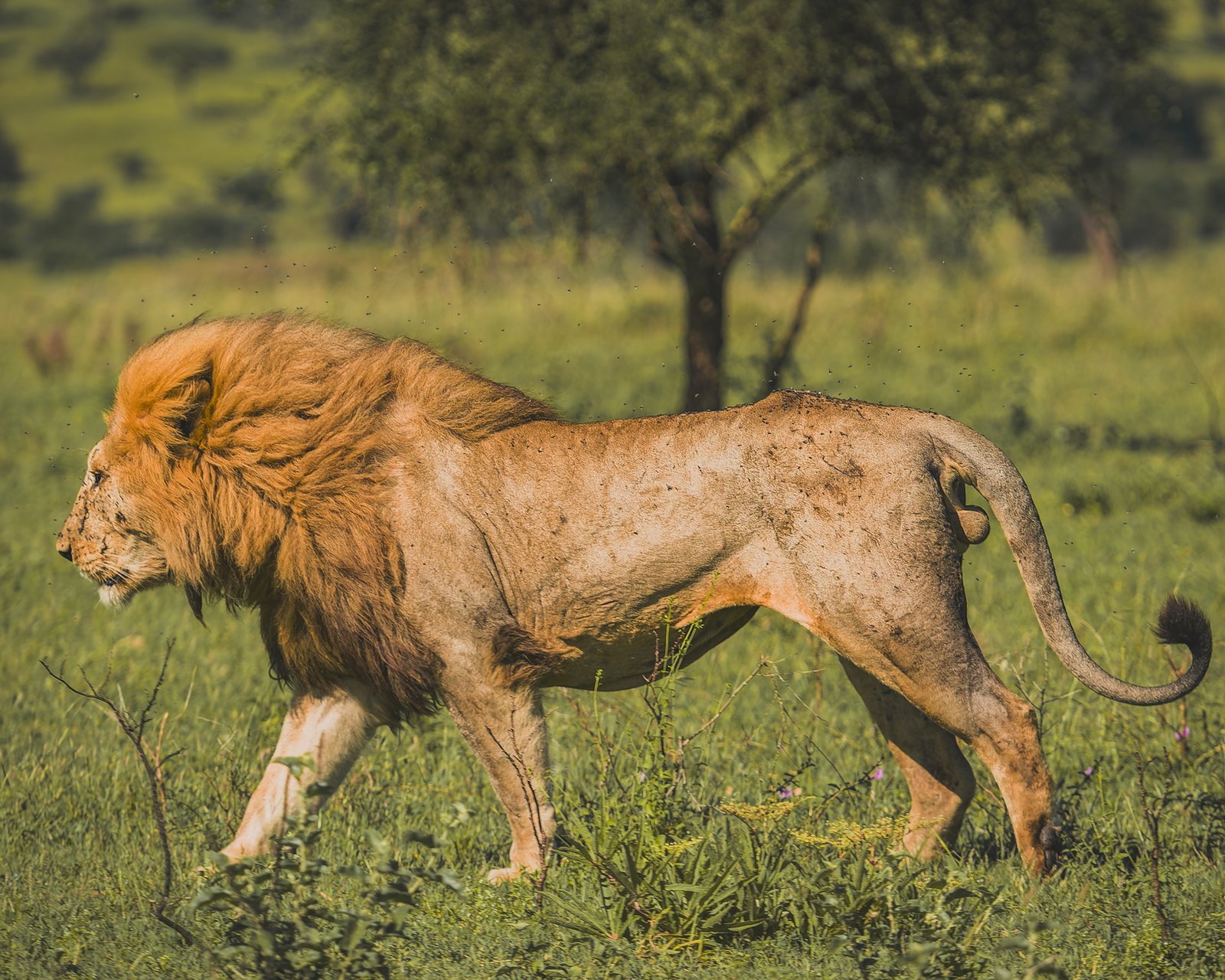
We found him near a kopje, about four hundred metres east. A young male, perhaps four or five years old, his mane just beginning to darken at the edges. He was walking with the unhurried, deliberate confidence of an animal that has never had a reason to be afraid.
I stopped the vehicle. Cut the engine. We watched. We did nothing else. We did not lift the cameras. We did not whisper. We simply watched.
He walked towards us. Not at us, there is a distinction. Not curious. Not threatened. Simply moving along a path that happened to lead past where we had stopped. He passed within six metres of the vehicle. You could see the individual hairs of his mane. The pale amber of his eyes. The way his paws landed on the dust with absolute precision.
Neither of my guests moved. Neither of them spoke. The woman, I could see her in my mirror, had her hand over her mouth. The man had tears on his cheeks. Neither of them reached for a camera. Some part of them, perhaps without thinking, had understood that what was happening was too important to interrupt.
The lion passed. Kept walking. Did not look back.
There was a long silence after he disappeared into the grass. Maybe four minutes. Maybe more. Then the woman lowered her hand and said, very quietly: "I have not been still for that long in my whole adult life."
I did not say anything. There was nothing useful to say. That is what the Serengeti does, when you let it. It does not just show you wildlife. It reminds you how to stop. It returns you, briefly, to a way of being that the modern world has worked very hard to make you forget.
This is what we do at Teva. This is why we slow everything down. The lion was the doorway. The stillness was the gift.
Three months later, the woman wrote to me. She said she still wakes up early. She said she still sits in her garden at dawn, alone, and just watches. She said her marriage is different. She said her job is different. She said she is different. She said: "Tanzania did something I cannot undo."
This is the work. This is what we are here for.